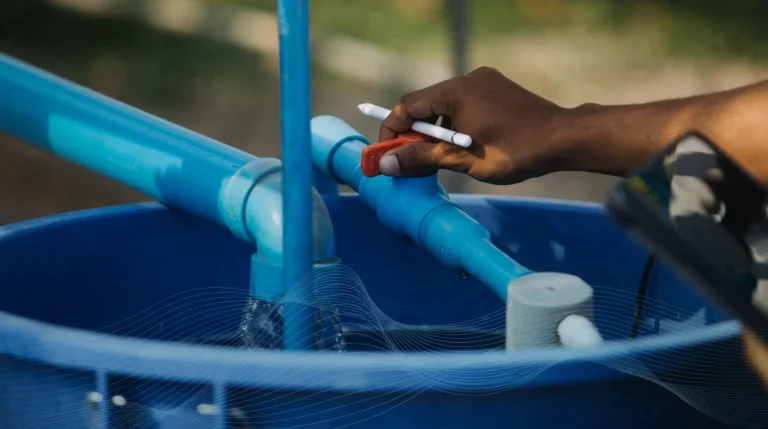


What Reverse Osmosis Is and How It Works in South Africa
What Reverse Osmosis Is and How It Works, and Why It Matters More in South Africa Right Now Water is becoming a bigger operational risk for South African properties. In March 2026, the government said many parts of the country are facing water supply challenges driven by poor planning and investment, neglected infrastructure, rising demand, urbanisation, and pollution that renders water unfit for use. At the same time, worsening water outages have become a national political issue, with the President explicitly linking the crisis to local government failure and poor pipe maintenance. That shift matters because the water conversation is no longer just about saving water. It is about securing supply, protecting water quality, and reducing dependence on a system that is under pressure. This is exactly why topics such as alternative water supply, water reuse, desalination, and advanced treatment are getting more attention across South Africa right now. One of the most talked-about treatment technologies in that mix is reverse osmosis, often shortened to RO. But despite how often the term gets used, many property owners and managers still do not fully understand what it is, how it works, or when it is actually the right solution. What is reverse osmosis? Reverse osmosis is a water treatment process that uses pressure to push water through a semi-permeable membrane. That membrane is designed to allow water molecules through while rejecting many dissolved salts, minerals, impurities, and contaminants. In simple terms, it is a highly effective way to separate cleaner water from water that contains unwanted substances. Cape Town’s own desalination material explains RO in similar terms, and WUS specifically uses RO as part of its alternative water supply offering, where borehole or compromised source water needs to be treated to potable standard. For WUS, reverse osmosis is not a theoretical piece. It is part of a broader treatment and alternative supply model that includes filtration, boreholes, greywater systems, monitoring, maintenance, and compliance support for properties in Cape Town. WUS states that its RO plants convert borehole water into potable water by removing dissolved salts, minerals, and impurities on site. How reverse osmosis works A lot of blogs overcomplicate this. The working principle is straightforward. 1. Water enters the system The incoming water source may be borehole water, brackish water, or another supply that contains dissolved solids, salts, or contaminants. Before the water reaches the RO membrane, it usually goes through pre-treatment to remove larger particles and protect the system. WUS’s treatment approach is built around customised system design and ongoing testing because source quality varies from site to site. 2. Pressure pushes the water through the membrane In a reverse osmosis system, pressure forces water through the membrane. The membrane acts like a fine barrier. Clean water passes through, while many unwanted substances are rejected and separated out. This same principle is used in seawater reverse osmosis desalination and other advanced treatment applications. 3. Clean water and reject water are separated The treated water that passes through is often called permeate or product water. The portion containing concentrated contaminants is discharged as a reject stream, sometimes referred to as brine in desalination or reuse contexts. City of Cape Town water reuse information notes that contaminants removed during treatment can be concentrated in reverse osmosis brine streams. 4. The treated water may be stabilised or stored Depending on the application, the treated water may go through final conditioning or storage before use. In larger systems, proper monitoring, maintenance, and testing are not optional extras. They are part of keeping the treatment process effective and compliant over time. WUS explicitly positions ongoing monitoring and preventative maintenance as part of its treatment model. Why reverse osmosis matters in South Africa right now This is where the topic stops being technical and starts becoming strategic. 1. Water security is under pressure South Africa made water security a headline issue in 2026. The government has said the country is facing supply challenges because of neglected infrastructure, pollution, and growing demand, while the Presidency says reform is aimed at improving water quality and increasing investment in maintenance and new infrastructure. For property owners, estates, sectional title schemes, and commercial buildings, that means more pressure to think beyond a single municipal supply line. It also means more interest in alternative water systems that create resilience and reduce dependence on stressed municipal infrastructure. That is directly aligned with WUS’s service model for body corporates, building owners, and property managers. 2. Water quality is not a uniform national story One of the most important current water topics in South Africa is quality variation. The Department of Water and Sanitation’s 2023 Blue Drop findings showed severe regression in drinking water quality in some systems compared with 2014. Based on municipal test data for 2021/22, 46% of water supply systems achieved poor or bad microbiological compliance, although major metropolitan areas generally performed better. That is the nuance people miss. Not every area has the same risk profile, and not every property has the same treatment need. That is exactly why reverse osmosis should not be sold as a one-size-fits-all product. It should be specified based on water testing, source quality, compliance requirements, and intended use. In some cases, simpler filtration may be enough. In others, especially where borehole water contains high dissolved salts or compromised water quality, RO becomes a serious option. WUS’s offering is built around tailored treatment rather than generic installs. 3. South Africa is actively looking at water reuse and desalination Another major trend is supply diversification. The Development Bank of Southern Africa says South Africa is facing a projected 17% water deficit by 2030, which is one reason water reuse is getting so much attention. At the city level, Cape Town continues to position water reuse and desalination as part of its long-term New Water Programme, including a permanent seawater reverse osmosis desalination plant and expanded reuse initiatives. That matters because reverse osmosis sits right inside that future-facing conversation. It is not just a niche treatment technology. It is part of how South Africa is thinking about new water sources, advanced purification, and long-term resilience. Where reverse osmosis makes sense Reverse osmosis is particularly relevant when a property needs to treat water with high dissolved salts, mineral content, or contaminants that standard filtration alone may not handle effectively. In practical terms, that often includes certain borehole water applications, brackish water treatment, and situations where water quality needs to be improved to a potable standard. WUS specifically notes that its RO plants are used to convert borehole water into clean, safe drinking water on site. For body corporates, estates, commercial sites, and larger buildings, that can support several strategic outcomes:

Lessons from the Knysna Drought: Why Cape Town Can’t Afford to Look Away
Lessons from the Knysna Drought, Why Cape Town Can’t Afford to Look Away. Knysna is running low on water, a situation that feels increasingly familiar across South Africa.
Case Study: Achieving Water Compliance & Fair Billing Through Sub-metering
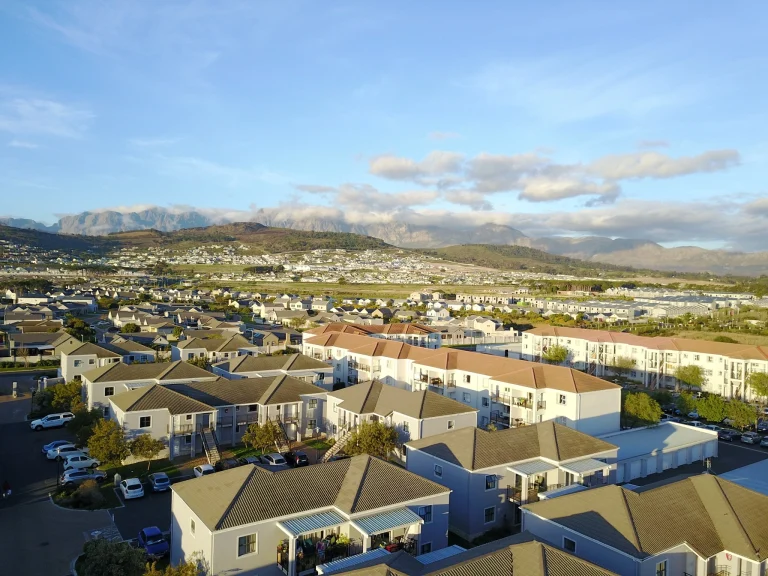
The Challenge: The client required all owners to be billed for their actual consumption rather than based on participation quota (PQ) as this was more fair. As there were noted to be a fair amount of leaks on site, the Trustees requested that a monthly reconciliation be provided. This reconciliation would show the amount recovered from the owners and thereafter the amount consumed by the entire corporate body in order to ensure that all amounts are accounted for. The client required a cost-effective solution that did not prejudice their members and did not incur a huge cost. What We Implemented After an initial site visit, the WUS team proposed installing 277 analogue water meters across the estate. This option required little capital from the client. The analogue water meter readings would allow metering of all residential units and common area consumption areas. Despite being the most effective solution, one drawback of having analogue water meters is that it only shows what is detected once the meter is read at the end of each month, and does not provide notifications of burst pipes or leaks. It is also not connected to the WaterEye App. Our team engaged with the client to read all meters monthly, including the council water meter, to produce accurate billing for each unit. We also conducted a reconciliation report on the water consumption to ensure all water use was accounted for. The Result The body corporate is now recovering the water usage from each individual owner on a monthly basis and not via the participation quota. The estate is also compliant with the City of Cape Town Water By-Laws which requires each unit to be individually metered. Owners also benefit, as they are now able to monitor their consumption monthly, and the body corporate is notified of all leaks, and water loss via their monthly reconciliation. Why This Matters to Property Managers and Body Corporates This project delivers real value for the body corporates. Each owner receives accurate and transparent billing, paying only for their actual water use, and excessive consumption is correctly allocated to the responsible unit, rather than being unfairly shared across the estate. The system also enables the early detection and quantification of leaks, allowing for timely maintenance and meaningful cost savings. Importantly, the estate is now fully compliant with the municipal water Bylaw requirements.
End-of-Year Water System Checks
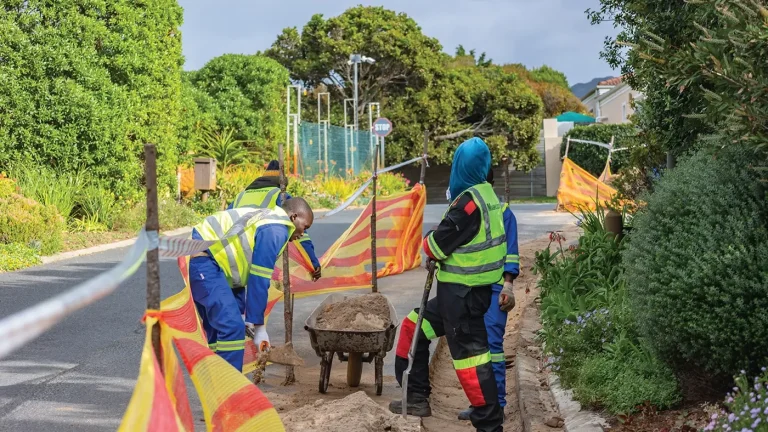
As the year winds down, many businesses and residential complexes are focused on wrapping up operations, planning budgets, and preparing for a fresh start.
Prepaid vs Smart Meters: Which One is Right for You?
A Look at the Technology That Makes a Smart Meter Smart
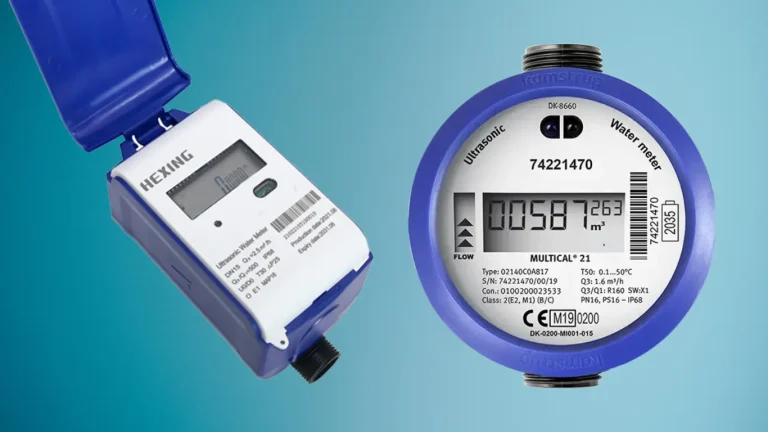
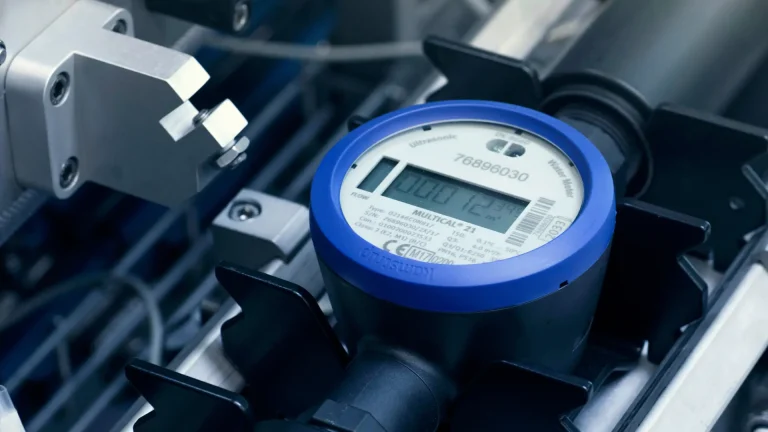
When it comes to managing water more efficiently, smart water meters are a game-changer. But what exactly makes a smart meter smart, and why are more estates and households making the switch? The technology behind smart meters and the benefits they bring are paving the way for a smarter, more responsive water future. Unlike traditional meters that require manual readings and offer limited visibility, smart water meters use advanced digital technology to monitor water use in real-time. These meters communicate wirelessly with utility providers and end-users, enabling remote monitoring, accurate billing, and early detection of leaks or inefficiencies. At WUS, we integrate smart meter technology with our WaterEye app, giving you complete control over your water consumption, anywhere and at any time. What’s Inside a Smart Water Meter? Our smart water meters use ultrasonic technology to measure water flow with exceptional accuracy. There are no moving parts, which means less wear and tear and a longer product lifespan. The data collected is automatically transmitted via secure wireless communication protocols, eliminating the need for manual meter readings. We rely on the Kamstrup MULTICAL® 21 which is one of the most advanced smart meters available in today’s market. It is a compact, robust, and highly intelligent meter suitable for residential and small commercial properties. The Kamstrup MULTICAL® 21 smart water meter is packed with intelligent features that make it a standout choice for modern water management. It uses ultrasonic flow measurement to deliver precise, long-term accuracy and has an IP68 waterproof rating. It is built to withstand harsh, wet environments which makes it ideal for underground installations or areas prone to flooding. The built-in battery lasts up to 16 years, which is another major plus as it significantly reduces the need for maintenance or replacements. To make monitoring seamless, the MULTICAL 21 supports both wireless and wired remote reading through options such as Sigfox, M-Bus, Pulse Adapter, and GEO Display. It logs usage hourly, giving you detailed insight into consumption patterns, while the display updates every 32 seconds for near real-time readings. What truly sets it apart, though, is its intelligent alarm system, which alerts users to leaks, pipe bursts, tampering, low battery levels, and extreme temperatures. It can even detect low flow rates as minimal as 2 litres per hour, ensuring that no unusual usage goes unnoticed. Six Benefits of Using a Smart Water MeterThere are several ways smart water meters deliver more value to users. At WUS, we’re committed to offering solutions that are not only efficient but sustainable and believe that smart meters are the future of smarter water management. Our smart metering systems are built to last, easy to use, and designed to help you get the most out of every drop. Get in touch with our team today and take the first step towards smarter water management.
Benefits of Using Prepaid Water Meters
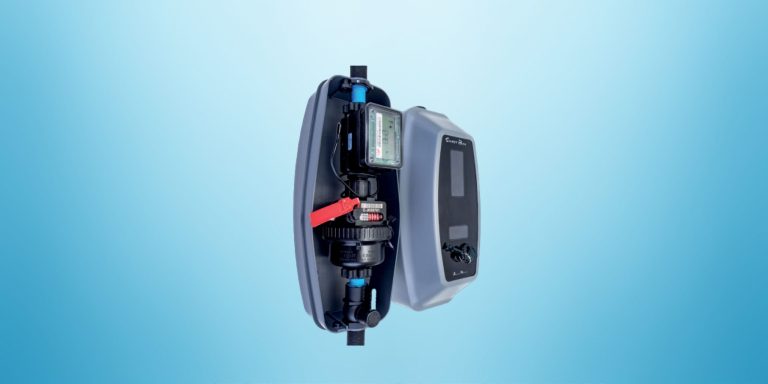
Prepaid water meters are gaining popularity as an efficient solution for managing water consumption and expenses. By allowing users to pay for water in advance, these meters offer a range of benefits that cater to both residential and commercial needs. Here are some of the key advantages of using prepaid water meters. Pay for Only the Water You Consume, Avoiding Overcharges and Disputes One of the most significant benefits of prepaid water meters is the ability to pay only for the water you actually use. This system helps users avoid unexpected overcharges and disputes related to inaccurate billing. By purchasing credits in advance, homeowners and businesses can have peace of mind knowing that they are only being charged for their actual consumption. Advanced Metering Ensures Accurate Billing and Minimises Irregularities Prepaid water meters are equipped with advanced metering technology that ensures accurate measurements of water usage. This precision minimizes the likelihood of billing irregularities, providing users with confidence that their charges reflect true consumption. This feature is particularly beneficial for those looking to manage their budgets effectively. No Disconnections Due to Unpaid Bills with Prepaid Management With prepaid water meters, users can avoid the anxiety of service disconnections due to unpaid bills. By managing their water usage and credits, customers can maintain continuous access to water services, even during financial constraints. This advantage is particularly important for those in fluctuating financial situations. Get Detailed Reports on Water Usage and Remaining Credit Prepaid water meters often provide users with detailed reports on their water consumption and remaining credit balance. This information allows homeowners and businesses to track their usage patterns effectively and make informed decisions about their water consumption. Access to real-time data encourages responsible usage and helps users stay within their budget. Purchase Water Tokens Easily via the Faircape Prepaid App The convenience of purchasing water tokens through the Faircape prepaid app enhances the user experience. This digital platform allows for quick and easy transactions, enabling users to buy credits anytime and anywhere. This accessibility means users can avoid running out of water and manage their usage seamlessly. In summary, prepaid water meters offer a wealth of benefits that make them an attractive choice for managing water consumption. From paying only for what you use to accurate billing, continuous service, convenient token purchases, detailed usage reports, and no administrative fees, these meters provide a comprehensive solution for users seeking to take control of their water expenses. Contact our team today for professional solutions tailored to your needs.
Benefits of Using Analogue Water Meters
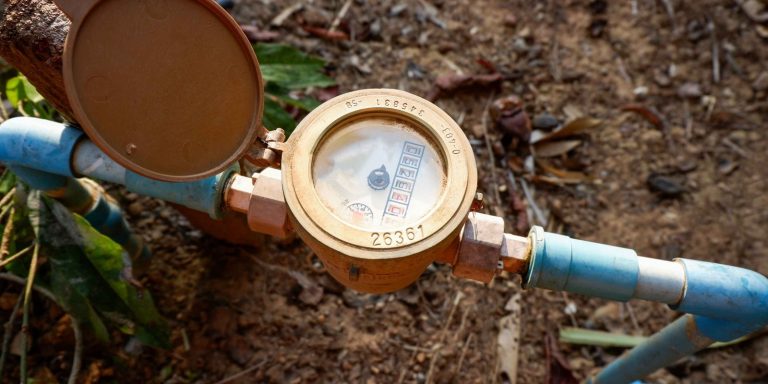
Analogue water meters are a traditional solution for measuring water consumption in homes and businesses. Despite the rise of digital alternatives, these mechanical devices continue to be popular for various reasons. Here are some of the key benefits of using analogue water meters. Cost-Effective with Budget-Friendly Upfront Costs One of the primary advantages of analogue water meters is their affordability. They typically have lower upfront costs compared to digital meters, making them an attractive option for budget-conscious homeowners and businesses. This cost-effectiveness extends to their longevity, as many analogue meters can last for years with minimal wear and tear. Flexible Billing Without Requiring Prepayment Analogue water meters offer flexibility in billing practices. Unlike prepaid systems, they do not require users to pay in advance for water consumption. This allows for more traditional billing cycles, enabling users to pay based on actual usage at the end of the month or billing period, thus offering convenience for budgeting and cash flow management. Durable with a Long Lifespan and Reliable Measurements Analogue water meters are known for their durability and longevity. Built with robust materials and mechanical components, they can withstand various environmental conditions. This reliability translates into consistent and accurate measurements of water usage, providing users with peace of mind regarding their water consumption tracking. Dials Provide Real-Time Feedback on Water Flow The dial-based system of analogue meters provides users with immediate feedback on their water flow. As the water passes through the meter, the rotating dials indicate real-time consumption, allowing users to monitor their usage closely. This feature can help identify patterns and encourage responsible water consumption. Simple to Install and Use, with No Complex Technology One of the appealing aspects of analogue water meters is their simplicity. Installation is straightforward, often requiring only basic plumbing skills. Additionally, the user interface is uncomplicated, making it easy for anyone to understand and operate without needing extensive technical knowledge or training. Minimal Maintenance Needed Due to Fewer Electronic Components Analogue water meters are designed with fewer electronic components, which means there are fewer parts that can fail or require repair. This simplicity translates to minimal maintenance needs. Regular cleaning and occasional checks for debris are usually sufficient to keep the meter functioning accurately and efficiently. Operates Without Requiring an External Power Supply Another significant benefit of analogue water meters is that they do not rely on an external power supply. This independence from electricity means they can function effectively in areas with inconsistent power or during power outages. Users can rely on their water meters for accurate readings at all times. User-Friendly and Easy to Read Analogue water meters feature dials that are easy to read, providing a straightforward way for users to monitor their water consumption. The clear markings on the dials make it simple to interpret usage, even for those who may not be technologically inclined. This accessibility makes analogue meters a user-friendly option for all households and businesses. In summary, analogue water meters offer numerous benefits that make them a viable choice for measuring water consumption. Their cost-effectiveness, flexibility in billing, durability, real-time feedback, simplicity, low maintenance needs, independence from power supply, and user-friendly design all contribute to their ongoing popularity. For those seeking a reliable and straightforward way to monitor water usage, analogue water meters remain an excellent option. Contact our team today for professional solutions tailored to your needs.

What is a Prepaid Water Meter?
A prepaid water meter is an advanced device that allows users to pay for their water consumption upfront, much like a prepaid mobile phone. These meters provide a convenient and effective way for homeowners and businesses to manage their water usage and expenses. Unlike traditional meters, prepaid water meters incorporate electronic components that enable users to monitor and control their water consumption more effectively. How prepaid water meters work Prepaid water meters operate on a simple principle of credit-based usage. Users purchase water credits in advance, which are then uploaded to the meter. As water flows through the meter, the system deducts the usage from the prepaid balance. This real-time tracking of water consumption allows users to manage their budgets effectively and avoid unexpected bills. Prepaid meters often feature an electronic display that provides clear readings of remaining balance and usage statistics. Because they rely on electronic components, prepaid water meters may offer additional features such as remote monitoring and alerts for low credit levels. This functionality enhances the user’s ability to manage their water usage proactively, making it a popular choice for many households and businesses. Maintenance of prepaid water meters Maintaining a prepaid water meter is crucial for ensuring accurate readings and prolonged lifespan. Keep clean and clear from debris One of the essential aspects of maintenance is to keep the meter clean and free from debris. Sediment and mineral buildup can interfere with the meter’s electronic components and affect its accuracy. Regular inspection of the meter for any signs of blockage is vital to ensure optimal performance. Additionally, proper insulation is necessary, especially in colder climates, to prevent freezing and potential damage during winter months. Checking for leaks Another critical maintenance task is monitoring for leaks. A leak in the plumbing system can lead to inaccurate readings, resulting in a quicker depletion of prepaid credits. Homeowners should periodically check the meter for any irregularities, such as fluctuations in readings or unexpected decreases in balance when no water is being used. If any issues are detected, addressing them promptly can help save on water costs and prevent damage to the plumbing system. Troubleshooting Troubleshooting a prepaid water meter can be relatively straightforward. If the meter is not functioning correctly, the first step is to inspect the connections and ensure the meter is securely attached to the plumbing. Loose connections can cause inaccuracies in readings. If the electronic display is not functioning or showing error messages, it may indicate a technical issue that requires professional assistance for repairs or recalibration. Is a prepaid water meter right for you? Determining whether a prepaid water meter is the right choice for your home or business depends on various factors, including your specific needs, budget, and preferences. One of the most significant advantages of these meters is the control they offer over water expenses. By allowing users to pay in advance, prepaid meters help prevent unexpected charges and encourage responsible water consumption. However, it is also important to consider traditional or analogue meters, which may suit those who prefer a more straightforward approach to monitoring water usage without the complexities of electronic systems. Contact our team today for professional solutions tailored to your needs.

What is an analogue water meter?
An analogue water meter is a traditional device used to measure the amount of water that flows through your pipes. It consists of a mechanical system that tracks the volume of water passing through it. Unlike their digital counterparts, analogue water meters do not have electronic displays or advanced features. Instead, they use simple gears and dials to provide readings. How analogue water meters work Analogue water meters operate on a straightforward mechanical principle, primarily utilising gears and dials to measure water flow. As the water flows through the meter, the movement of a turbine translates into a rotation of the gears, ultimately reflecting the total volume of water consumed in gallons or litres on a dial. They do not rely on any electronic components, making them less susceptible to power failures or electronic malfunctions. Their durability and low maintenance requirements make them an attractive option for many. Additionally, they provide a tangible way for homeowners to track their water usage manually. Maintenance of analogue water meters Maintaining an analogue water meter is essential for ensuring accurate readings and extending its lifespan. Keep clean and clear from debris One of the key aspects of maintenance is to keep the meter clean and free from debris. Over time, sediment and mineral deposits can accumulate in the meter, which may affect its performance. Regularly inspecting the meter for any signs of buildup can help prevent inaccuracies in water measurement. Owners should also ensure that the meter is properly insulated, especially in colder climates, to avoid freezing and potential damage during winter months. Checking for leaks Another crucial maintenance task involves checking for leaks. A leak in the plumbing system can lead to inaccurate readings, resulting in higher water bills. Homeowners should periodically monitor the meter for any fluctuations or continuous spinning of the dials when no water is being used. If such irregularities are detected, it may indicate a leak or an issue within the meter itself. Addressing leaks promptly can save on water costs and prevent further damage to the plumbing system. Troubleshooting Troubleshooting an analogue water meter can be straightforward. If the meter is not functioning correctly, the first step is to inspect the connection points and ensure that the meter is securely attached to the plumbing. Loose connections can lead to air pockets and inaccurate readings. If the dials are stuck or not moving as expected, it might indicate internal damage or mechanical failure. In such cases, professional assistance may be required to repair or replace the meter to ensure accurate water measurement. Is an analogue water meter right for you? Deciding whether an analogue water meter is the right choice for your home or business hinges on several factors, including your specific needs, budget, and preferences. One of the most significant advantages of these meters is their simplicity and reliability. Without electronic components, they are less prone to failure and can operate effectively in various conditions. If you value a straightforward approach to monitoring water usage and prefer a device with minimal maintenance, an analogue meter may be an ideal fit. However, it’s also essential to consider the benefits of smart water meters, which often come equipped with advanced features such as remote reading capabilities and detailed usage analytics. These modern meters can provide real-time data, helping homeowners make informed decisions about their water consumption. Contact our team today for professional solutions tailored to your needs.

What to Know When Planning Water Metering Solutions for Projects
In the planning and design phases of building projects, engineering companies play a crucial role in determining the best systems and solutions for future operations. When it comes to water metering, the decisions made during this phase can have significant long-term impacts on water management efficiency, cost-effectiveness, and compliance. Here are key considerations for engineering firms to ensure they select quality water metering solutions tailored to their project needs. Understanding Water Meter Types: Smart, Analogue, and Prepaid Benefits of Smart Water Meters: Advantages of Analogue Water Meters: Key Features of Prepaid Water Meters: Factors to Consider When Choosing a Water Meter Selecting the right water metering solution is a vital aspect of the planning phase for building projects. By understanding the features and benefits of smart, analogue, and prepaid water meters, engineering companies can make informed decisions that align with their project’s goals and requirements. At Water Utility Solutions, we offer a range of water metering solutions to meet diverse needs. Whether you require the advanced features of smart meters, the durability of analogue meters, or the budget control of prepaid meters, we are here to provide expert advice and support.

Understanding Water Meter Installation Costs for Body Corporates
Water meter installation is a crucial step in effective water management for body corporates. To help you plan your budget effectively, let’s explore the factors that influence installation costs tailored to your needs. Type of Water Meter Choosing the right type of water meter is essential. Options include analogue, smart, or prepaid meters. Each type comes with its own set of features and price points. Understanding the functionalities of each will help you make the best choice for your body corporate’s requirements and budget. Number of Outlets Consider the number of outlets your body corporate needs to monitor. The more outlets you have, the more meters you’ll require, which will impact installation costs. Assess your water usage across all outlets to determine the most cost-effective solution. Installation Complexity The complexity of the installation process is another crucial factor. Factors such as accessibility of installation sites, existing infrastructure, and potential obstacles can influence labor hours and, consequently, installation costs. Assessing the complexity upfront will help you anticipate and address any challenges. Financing vs. One-time Payment Consider financing the installation to make it more affordable for body corporates. Financing spreads out the cost over time, easing the financial burden upfront. While there may be additional fees or interest charges, this option allows for manageable payments. Conversely, a one-time payment requires a larger upfront investment but could lead to long-term savings. Ensuring Compliance with the Cape Town Water-By-Law Adhering to local regulations, such as the Cape Town Water-By-Law, is essential. Compliance requirements may involve specific types of meters or additional steps, impacting overall installation costs. Ensure that your installation meets all necessary legal and quality standards to avoid penalties or fines. By considering factors such as the type of water meter, number of outlets, installation complexity, financing options, and ensuring compliance with local regulations like the Cape Town Water-By-Law, you can effectively plan your water meter installation budget for your body corporate. Making informed decisions now will lead to efficient water management and long-term cost savings.