
If you are planning an alternative water system in Cape Town, the biggest mistake is leaving compliance until the end. In many cases, City approval is required – and missing one key document can slow the whole project down.
This guide keeps it practical: what usually triggers an application, what people often miss, and how to think about timelines.
When City approval is often required
So, do you need City approval for an alternative water system in Cape Town? In many cases, yes – especially when there is any risk that the alternative supply could connect back into the municipal drinking water system.
You are more likely to need approval if:
- The system connects to your plumbing
This includes connections into a building’s water installation, where cross-connection and contamination risk become the main concern. - It is used indoors (toilets, laundry, etc.)
Indoor use is typically treated as higher risk because it is directly connected to the building’s plumbing. - It involves borehole or greywater systems
These sit directly within the City’s alternative water framework. Groundwater extraction may also require registration with the City, and depending on the scale and use, may involve the national Department of Water and Sanitation requirements too.
If you are unsure, the safest approach is to treat approval as part of the project plan from the start, not something you add at the end.
The 4-item checklist that prevents most delays
Most approval delays are not caused by the system itself. They are caused by missing basics. Here is what to prepare upfront.
1. A clear plumbing diagram
The City’s application process requires a compulsory drawing of the intended installation. This should show the source, storage, treatment (if any), points of use, and how the system stays safely separated from the potable supply.
If your diagram is unclear, everything else slows down.
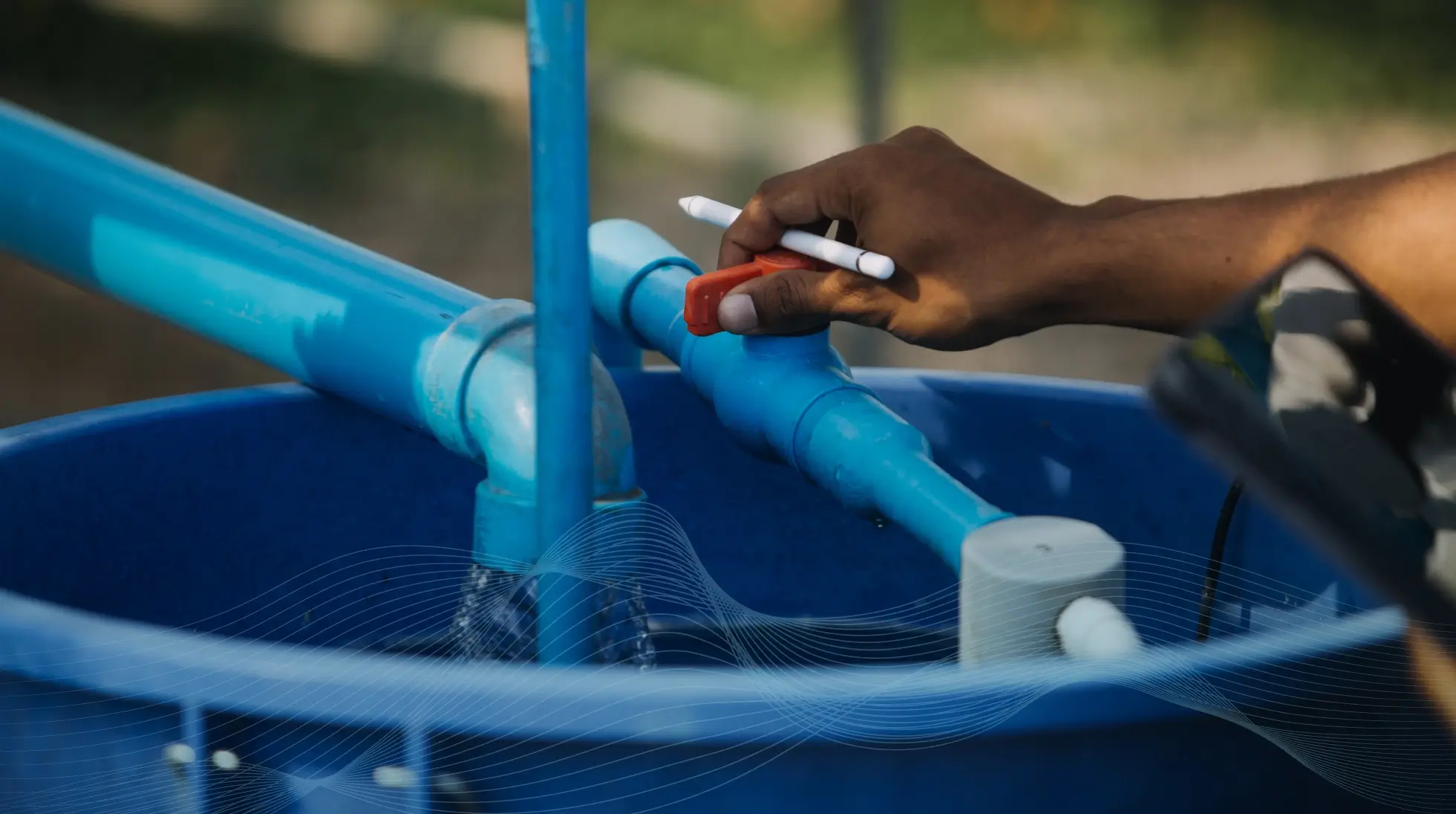
2. Backflow protection (non-negotiable)
Backflow prevention is central to compliance in Cape Town. The City’s guidelines emphasise that alternative water systems must be installed safely because of the risk of contaminating the drinking water supply.
3. Water test results (if needed)
Not every alternative water system needs the same level of testing, but water quality matters because it determines what the water can safely be used for and whether treatment is required.
If the source is variable (common with groundwater), or the intended use is higher risk, plan for testing early so it does not become a last-minute delay. The City’s documentation and guidelines emphasise safe installation and use, which includes understanding quality and risks.
4. Inspection planning and sign-off
Approval is not just a form. It is a process that includes inspection and sign-off.
The City’s summary guide notes that if an alternative water system is installed, you must submit an application and obtain a Certificate of Approval from a registered plumber.
The application pack includes a Certificate of Approval section and explains that, on approval, an inspection will be conducted and signed off by a water inspector to confirm compliance.
Why this matters for properties
This is not only about paperwork. It is about risk management.
Alternative water systems can pose serious health risks if installed incorrectly, especially where cross-connection could contaminate the potable supply. That is why the City’s guidelines focus so heavily on safe installation, regulation, and backflow protection.
For body corporates, estates, and commercial buildings, doing this properly protects residents, reduces operational disruption, and avoids costly rework later.
The bottom line
So, do you need City approval for an alternative water system in Cape Town? In many cases, yes – particularly if the system connects to plumbing, is used indoors, or involves borehole or greywater systems.
If you want the process to move smoothly, start with the checklist:
- plumbing diagram
- backflow protection
- water test results (if needed)
- inspection and sign-off planning
Need help getting it right? Water Utility Solutions can guide your project from assessment and design through to compliance-ready installation.
Contact Water Utility Solutions
021 815 5700
[email protected]
FAQ
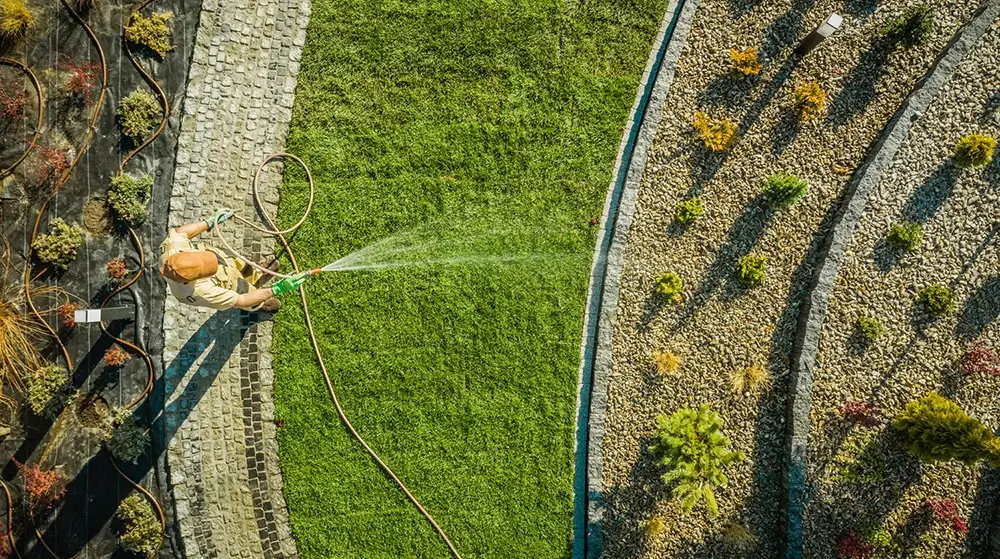
Do I need City approval if my alternative water is only for irrigation?
It depends on how the system is installed and whether there is any connection to a building’s water installation. When there is cross-connection risk, approval and safe installation requirements apply.
What is the most common reason applications get delayed?
Missing compulsory drawings, unclear system layouts, or backflow protection not addressed upfront are common causes of delays.
Is an RPZ valve required?
For connected systems, the City’s requirements focus on backflow prevention, and the application form specifically references protection with an RPZ backflow preventer rather than a non-return valve.
Do boreholes need to be registered in Cape Town?
Yes. The City’s Water By-law summary guideline notes that wellpoints, boreholes, and other groundwater extraction systems must be registered with the City.